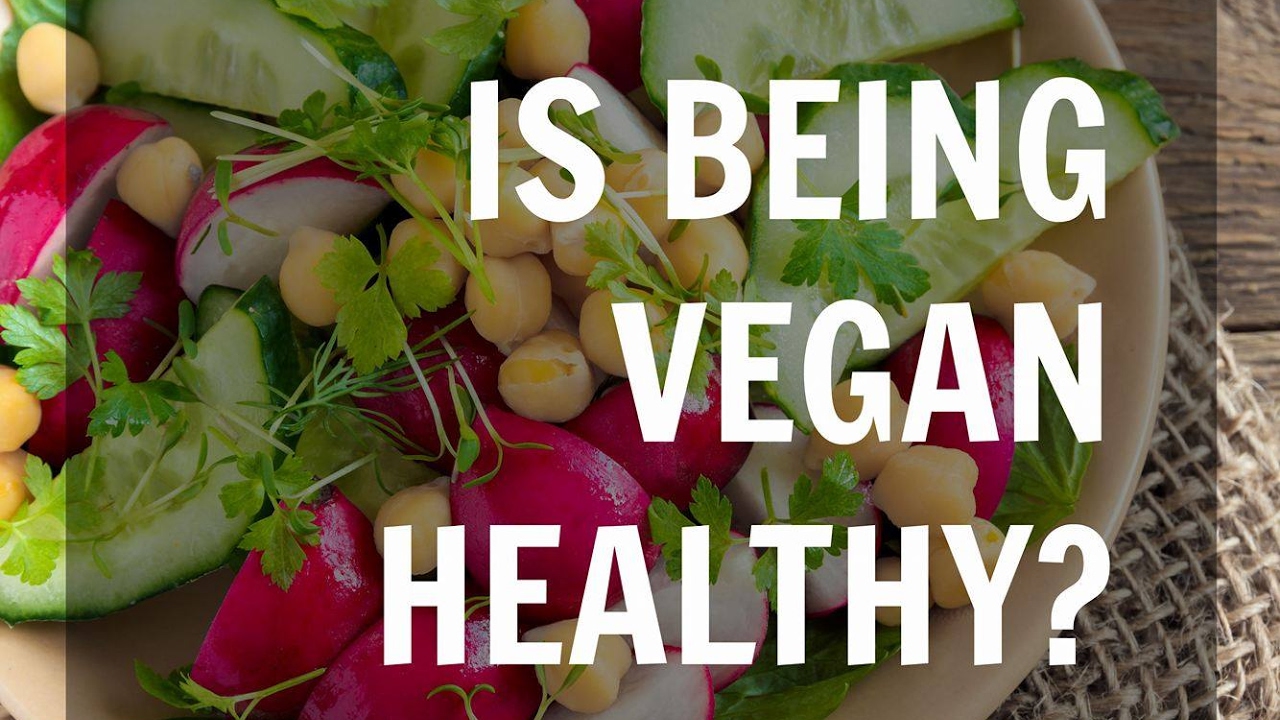
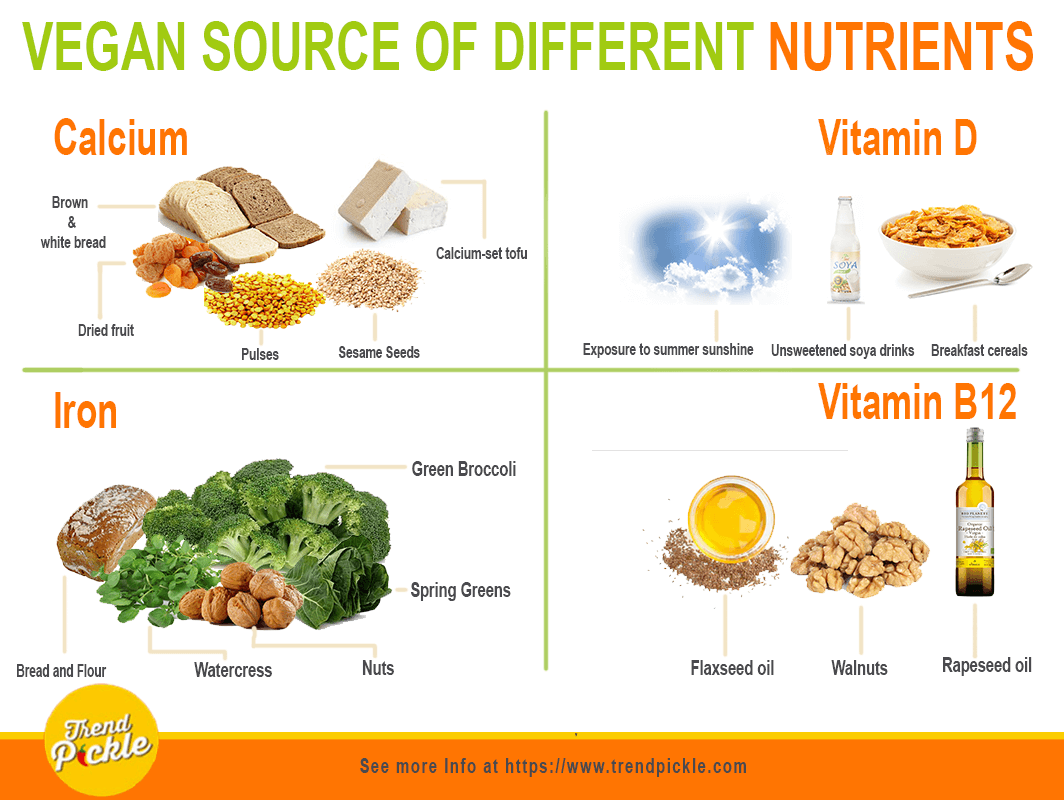
A vegan that eat well from all groups of food and all fresh and not syntetic should have no deficiency in any vitamin or mineral and for sure will be in excellent health. Of course doing sport is also a factor in thatFurthermore, the academy points out that vegans have a lower risk of certain health conditions and chronic diseases. The following sections look more closely at the health benefits of a vegan diet. Helps to manage weightSpringman says a balanced vegan diet is one of the healthiest diets. The vegan diet is thought to be one of the healthiest because it includes plenty of legumes aswell as fruit and vegetables ...A vegan diet is not always a healthy one, along with the growth in veganism's popularity comes a market of vegan-friendly ready meals and junk foods. Some processed foods have salt, sugar and fat added in an attempt to improve their palatability.Vegans tend to be thinner, have lower serum cholesterol, and lower blood pressure, reducing their risk of heart disease. However, eliminating all animal products from the diet increases the risk of certain nutritional deficiencies.No, All Vegan Food Is Not Healthy In my experience, a reliance on vegan junk food happens when we try to mimic a typical omnivorous diet, which has become even easier thanks to the widespread availability of specialty diet foods.The long-term health of vegetarians appears to be generally good, and for some diseases and medical conditions it may be better than that of comparable omnivores. Much more research is needed, particularly on the long-term health of vegans.Vegan sources of vitamin B12. The body needs vitamin B12 to maintain healthy blood and a healthy nervous system. Many people get vitamin B12 from animal sources, such as meat, fish and dairy products. Sources for vegans are limited and a vitamin B12 supplement may be needed. Sources of vitamin B12 for vegans include: breakfast cereals fortified with B12Is eating vegan healthy? There are certainly healthy aspects of a vegan or plant-based diet, as long as you are aware of the potential risks. And, as with any diet plan, if you determine it is not meeting your needs, you have the right to change your mind.Foods made from soy, like tofu, tempeh, and vegan meats, and even soybeans can be part of a healthy vegan diet. Try to get organic, non-GMO soy when possible as soy is one of the largest GMO crops. Dr. Michael Greger of NutritionFacts.org often publishes science-backed articles on the health benefits and safety of soy.
are all vegans healthy?
Absolutely. We recommend avoiding vegans (or all vegans at least at some point) on a case-by-case basis. On a case-by-case basis, a couple of items that are on our nutritional guide:
It's important to distinguish between an absolute and a relative risk that your diet would pose to someone you know. Your diet might include a whole host of protein sources, and some might consist of only a few proteins and very little salt.
There is no such thing as a meat-free diet, and when we discuss how many of the things we are recommending would be better, we are usually talking a very simple one that would allow you both an absolute risk that you might have a disease-free diet and a relative risk (in the case of a vegetarian or vegan) that your diet would no longer need to undergo.
What do you like best about veganism? Let me know!
(Thanks to the Vegan Society for bringing Vegan to your attention. Contact them as well. Read more on those topics – this is often my blog.)
References
A.P. Mink, R.B. Zuccola, D. W. M. Fonseca, and A.A. Pannell, "The effect of diets with a low protein, low vegetables/salt, and fat ratio on human colon cancer risk," American Journal of Clinical Nutrition




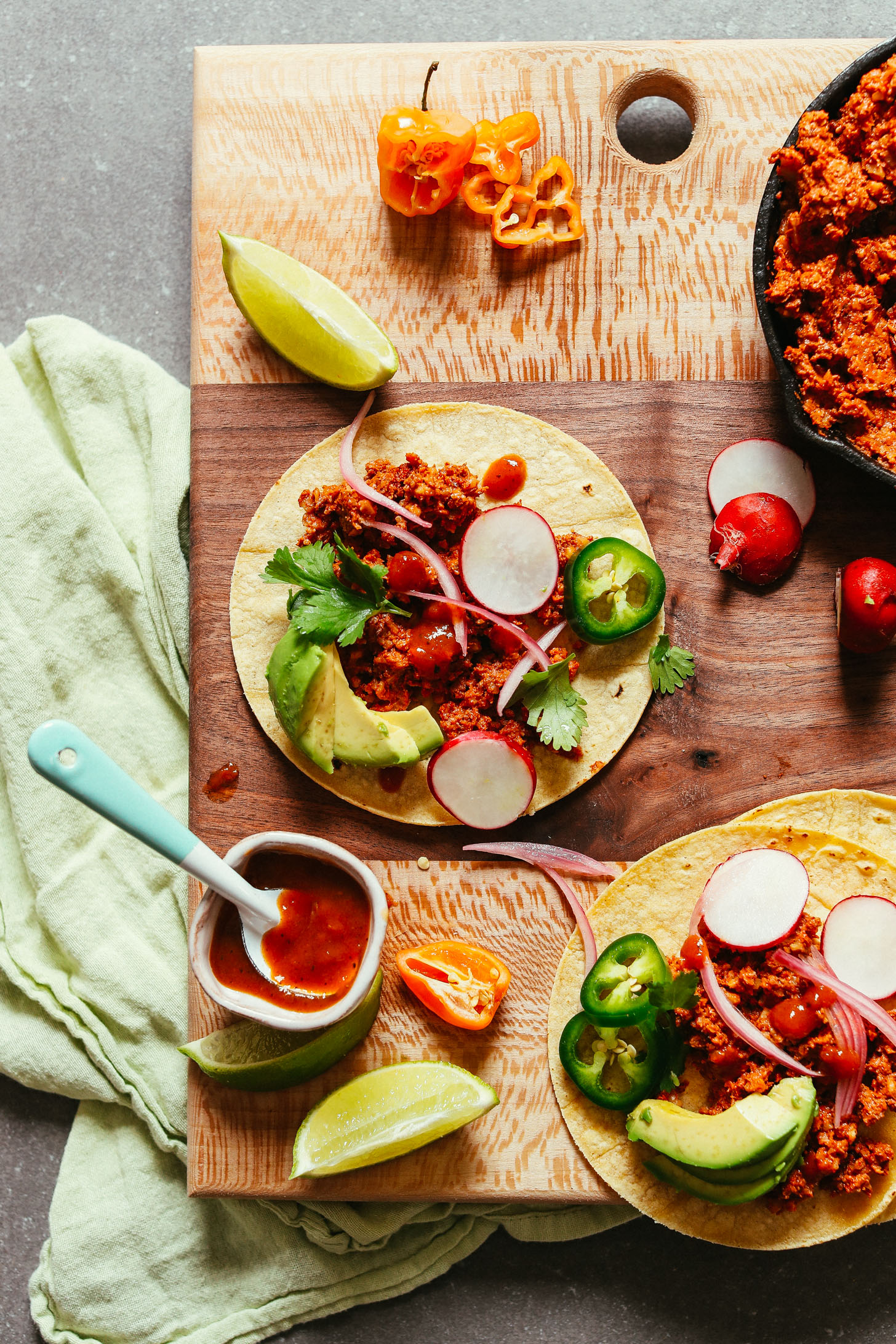

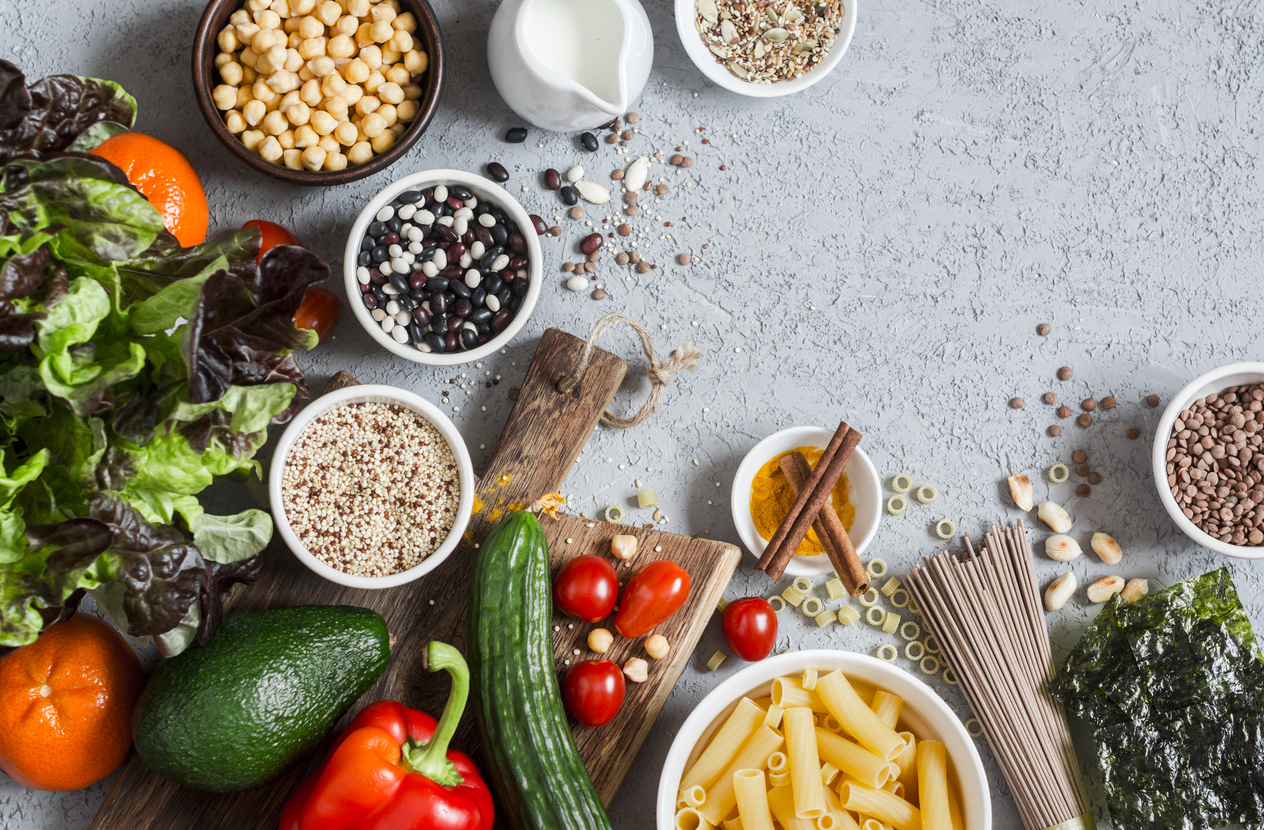



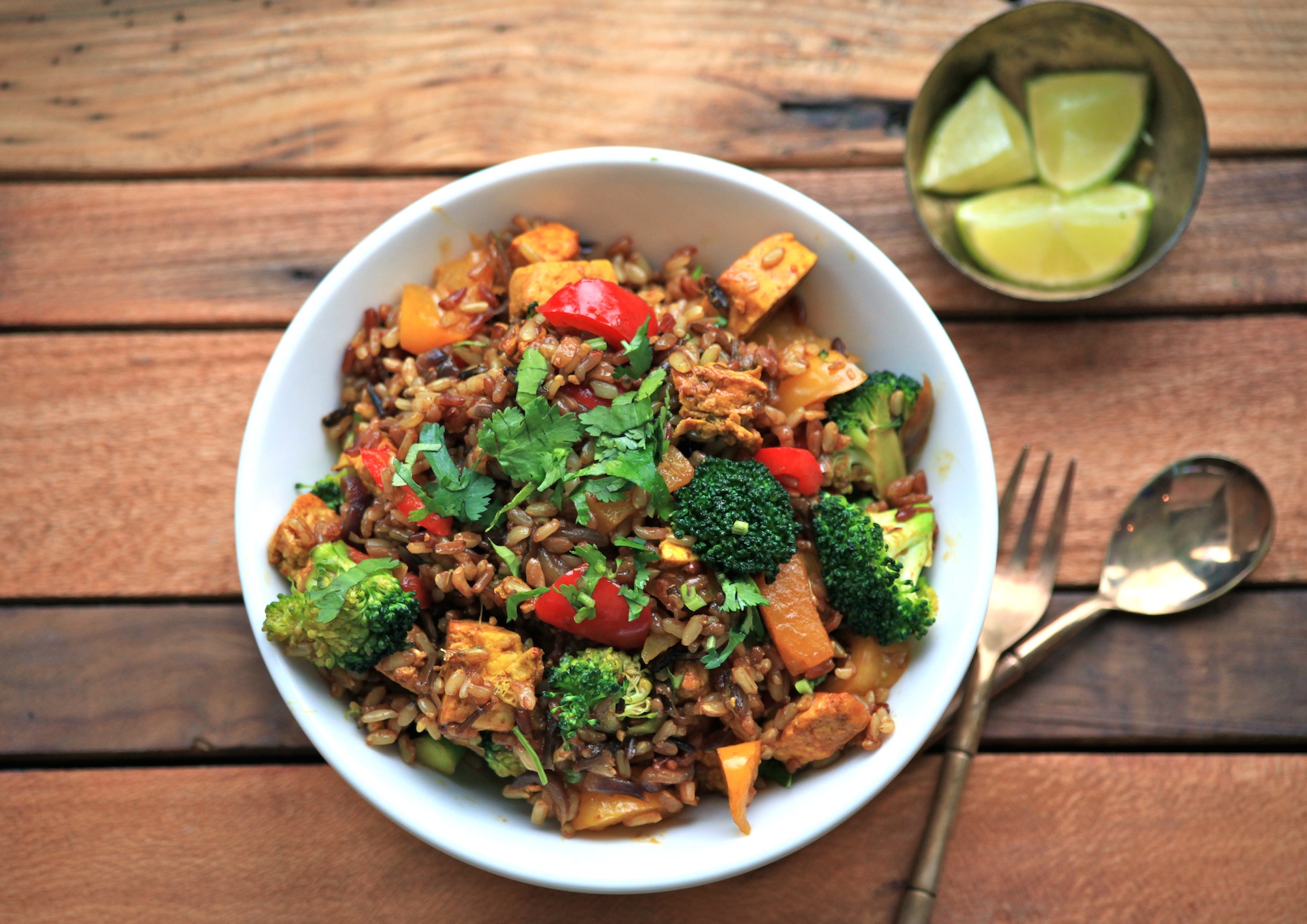







Vegan FoodVegan TacosVegan Junk-FoodVegan DishesVegan Mushroom RecipesVegan LogoVegan ChocolateGo VeganVegan StickersVegan Cartoon
Komentar
Posting Komentar